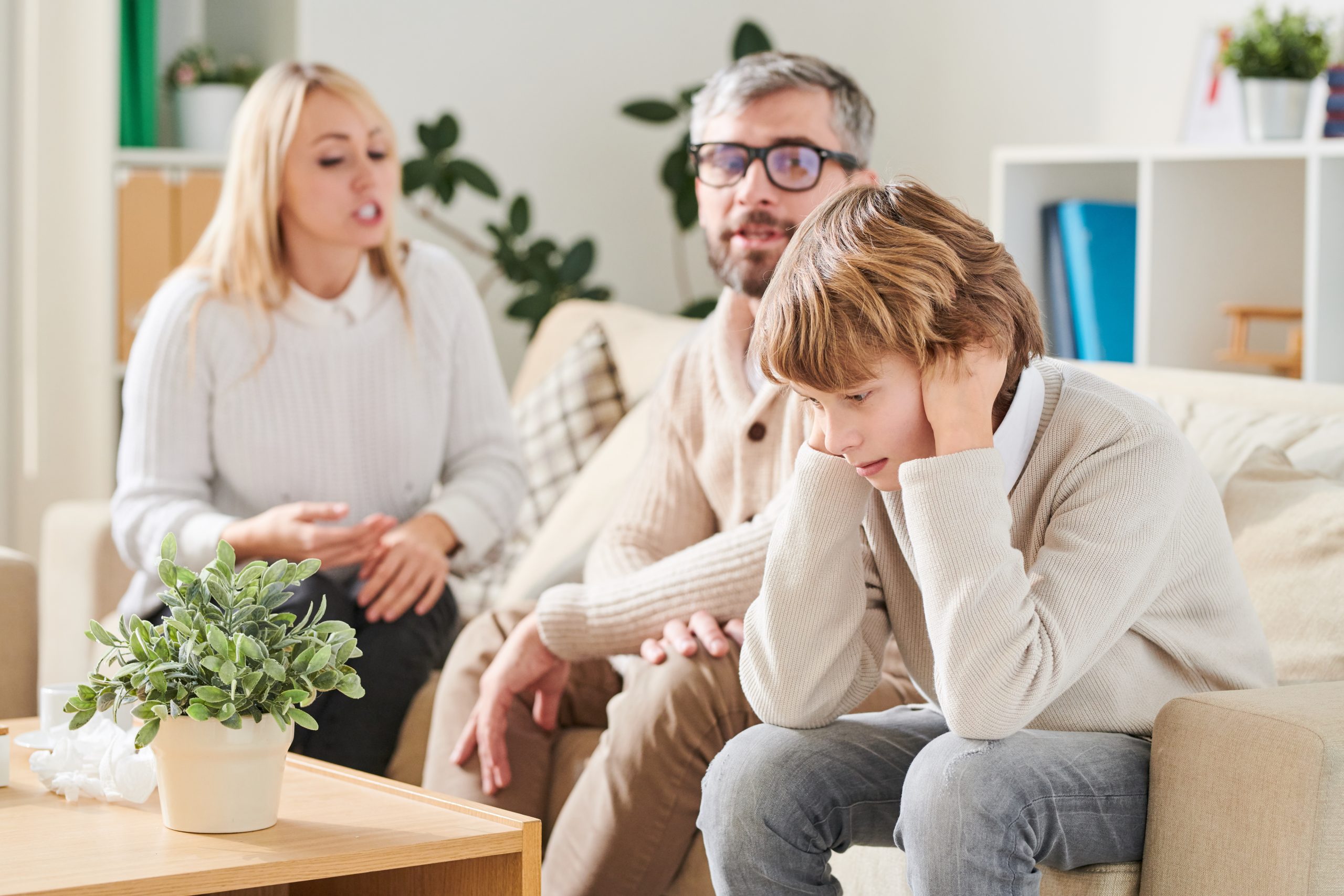
Parents that are in continual conflict have a significant impact on their children’s behavior, emotional and social states, and educational studies, according to research accessible through the National Library of Medicine. It also indicates that interventions like counseling can further improve relationships, as well as reduce and resolve behavioral and social problems in children and adolescents.
Actions that can be taken by parents and co-parents to reduce the negative effects of conflict on their children are:
- Both parents should find help in healing emotional wounds and conflicts. Be as collaborative as possible by managing disagreements.
- Be respectful to each other. Do not badmouth each other to the children. List the positive attributes of the other parent, and talk about these during family conversations.
- Ensure both parents are involved with the children, if possible.
- Be more cognitive than emotional. Enhance positive communications between one another and the children. Eliminate blaming, criticizing, nagging, judging, and name-calling.
- Do not forget the children. Children love schedules, so maintain these. Keep your promises to them. Spend time with them, listen to their perspectives and opinions, and understand how they feel without verbalizing judgments.
- Remember, parents are parents for life. Ensure and understand you have the best interest of the child at heart.