Suicide can be prevented, so why is it occurring at an epidemic rate, as declared by the Center for Disease Control? The availability of cutting-edge suicide education and counseling is needed to all individuals trying to resolve their emotional and physical pain, and to people in their communities, so they have the knowledge to help those in need.
Suicide is the second leading cause of death for individuals between the ages of 10 to 14 and 20 to 34 years old, with a rate increase of 36% from 2000 to 2023, according to National Center for Health Statistics. One-third of our youths report having thoughts of suicide, with 18.9 percent of U.S. high school students stating they have considered suicide as a solution to their problems, according to the National Alliance of Mental Health.
This increase may partly be the result of the human brain not being fully developed until the individual reaches between the ages of 22 to 26 years old. Therefore, until the brain is mature, the emotional center is used more than the prefrontal cortex, which is the logical problem-solving area of the brain. This can lead to short-term decision-making from an emotional space, resulting in sometimes irrational resolutions like ending one’s life.
To further reduce the young brain risks and all suicides, there are four steps that can be taken:
Suicide Prevention Step One: Parents, relatives, friends and members of the community ensure, if not performed already, that all firearms in the homes are stored away and locked up, so access by children and young adults is completely eliminated. This includes access to the keys.
Suicide Prevention Step Two: Know the Four Cornerstones of Suicide, in which all four cornerstones are required for a suicide to occur. Everyone should know how to eliminate at least one of the cornerstones.
Cornerstone 1: Hopelessness
Cornerstone 2: Aloneness
Cornerstone 3: Self-hate
Cornerstone 4: The inability to cope
Cornerstone 2 can easily be eliminated by a caring, trustworthy individual who can listen and understand where an individual at risk is coming from. Become their friend with no judging, condemning or criticizing. This is life-changing for anyone. In addition, ensure the individual receives additional help, if needed. For further guidance, contact the Suicide Hotline by dialing 988. Sessions with a licensed professional counselor also significantly reduce the risk of suicide.
Suicide Prevention Step 3: Provide training to children and young adults via parents, the educational systems including colleges and universities, churches, and other community organizations, regarding techniques for having good relationships, developing socialization skills, resiliency, emotional control, the knowledge regarding the power of thoughts, having a purpose-filled life and suicide prevention.
Suicide Prevention Step 4: Know the 12 Suicide Warning Signs and ensure if someone has one or more of these warning signs they are further assessed, receive help and have a friend.
The 18 Warning Signs and Risk Factors of Suicide:
- Hopelessness
- Self-hate
- Alone
- Inability to cope/agitated/irritated
- Recently experienced a major loss
- Are or have been in the military
- Depression or postpartum
- Diagnosed with a mental illness
- Cutting or other self-harm
- Men over the age of 65
- Changes in habits like sleeping/eating
- Increase in self-medication
- Focus on past with regrets
- Giving away possessions
- Lack of pleasure in past activities
- Statements concerning death
- Seen their primary physician within the past six months
- Previously attempted suicide
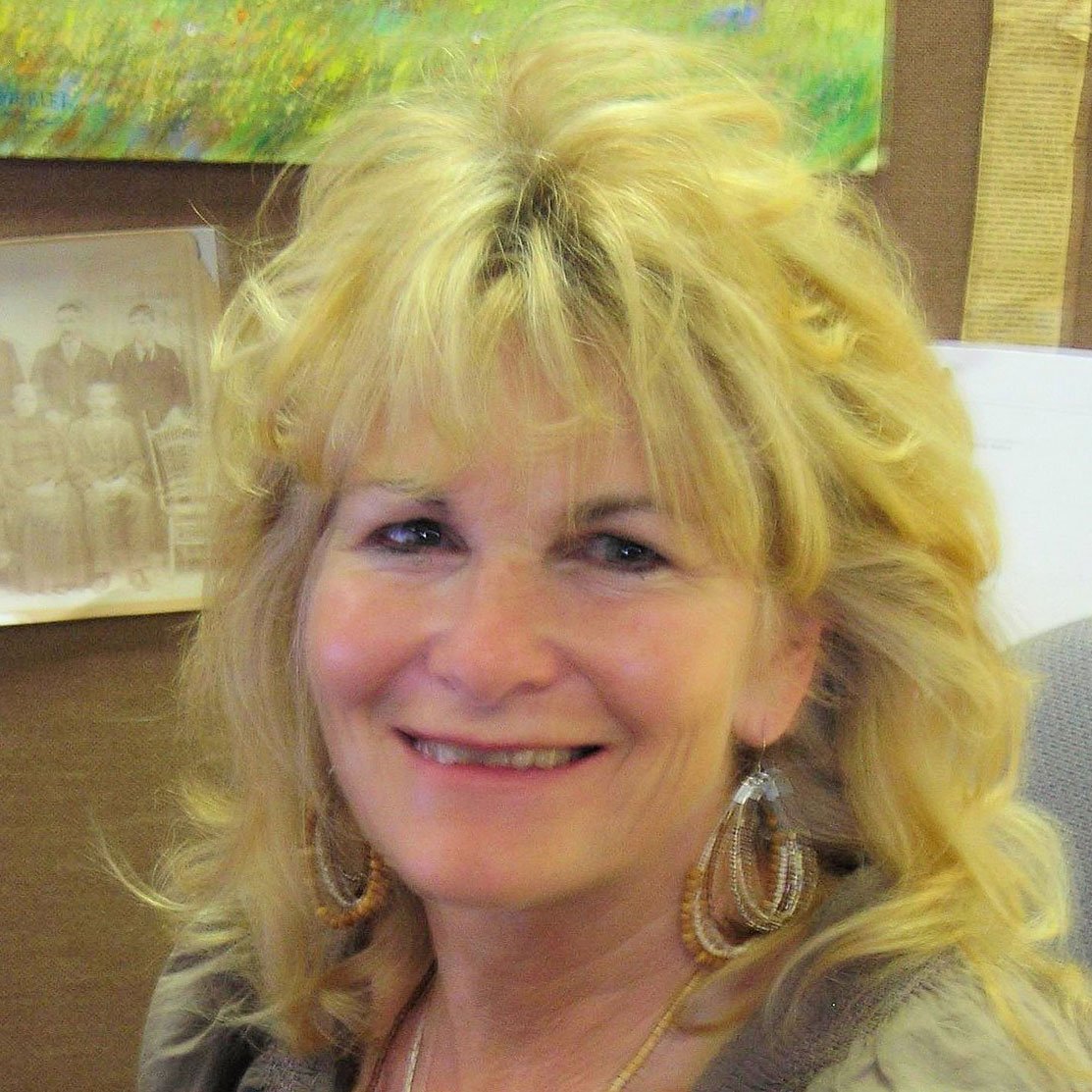
Janese Neher is a Missouri Licensed Professional Counselor and certified Missouri Bar Approved Mediator. She is a Christian Counselor for Counseling to Change, a new counseling service in Cape Girardeau offering a full counseling service to youth and adults. Further information about suicide or other counseling areas call Counseling to Change at (573) 979-8096 or email janese.neher@counselingtochange.com.